
Home Blog Autism Acceptance Month and Caregiver Support
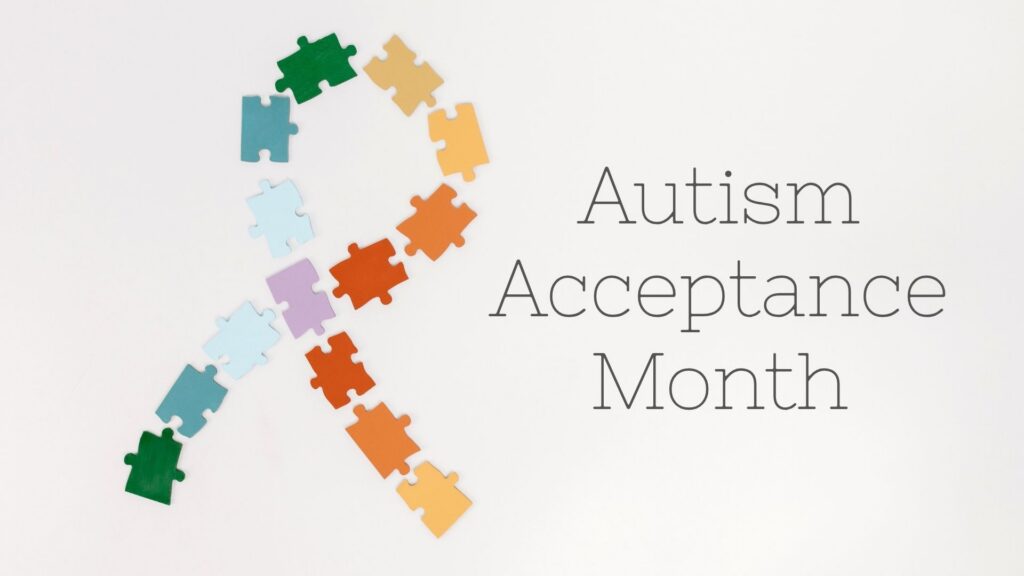
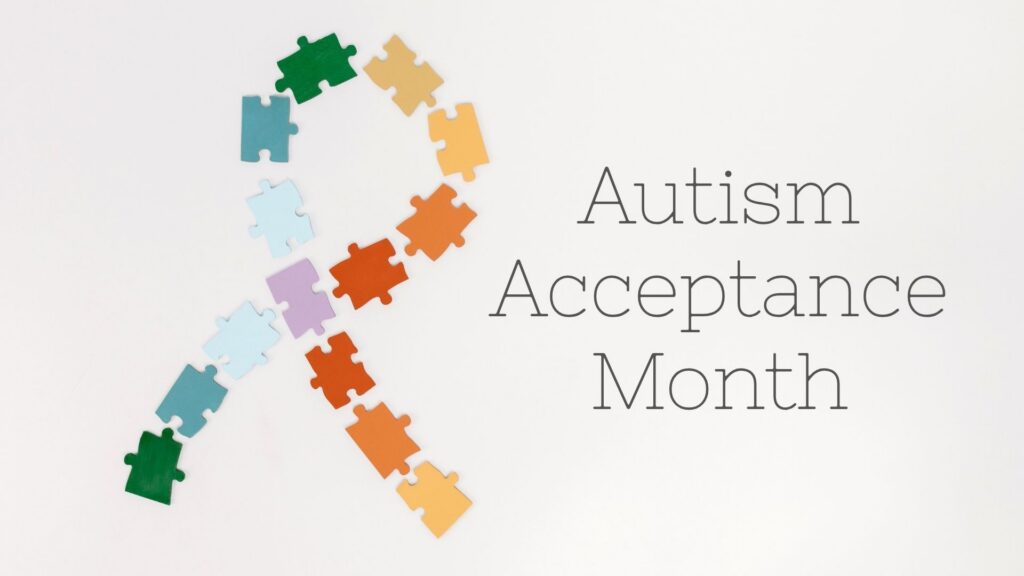
Autism Acceptance Month and Caregiver Support
March 26, 2026
You Don’t Have to Do This Alone
Parenting a child with autism can feel overwhelming, especially when you’re trying to navigate services and your own mental health all at once. If you’ve ever felt alone in the process, you’re not. This article shares real support, simple steps, and a reminder every parent needs: you don’t have to figure this out by yourself.
A Quick Look Back: From Awareness to Acceptance
Autism Acceptance Month started as Autism Awareness Month in 1970, thanks to psychologist and researcher Bernard Rimland, Ph.D. He chose April to honor his son’s birthday and the hope that comes with spring.
Back then, many individuals with disabilities were hidden from society. In 1972, the Willowbrook exposé revealed deeply troubling conditions in a state institution. It wasn’t until 1988 that President Ronald Reagan officially declared April as National Autism Awareness Month.
Over time, something important shifted.
We moved from awareness (knowing autism exists) to acceptance, which means valuing autistic individuals for who they are and creating spaces where they can truly belong and thrive.
This shift matters. Celebrating Autism Acceptance Month challenges stigma, encourages accessibility and accommodations, and builds stronger, more inclusive communities for everyone.
Early Identification: What Parents Should Know
Autism is a developmental difference that can affect communication and social interaction.
If your child shows some signs of autism, it does not automatically mean they are autistic. Many children—autistic or not—may show similar behaviors at times.
If something feels off, trust your instincts and talk with your child’s pediatrician or family doctor. They may:
- Ask about developmental milestones- A developmental milestone chart can help you track your child’s progress.
- Review your child’s growth and behaviors – The M-CHAT-R screener asks 20 questions about your child’s behavior.
- Suggest developmental screening- See Working with Professionals and Systems
Tracking milestones can be a helpful first step in understanding your child’s development.
For more information on early identification, early intervention, and screenings (ages 0–3), visit the Autism Across the Lifespan Resource.
Becoming a Confident Advocate (Without Burning Out)
Whether you’re noticing delays or processing a new diagnosis, it can feel overwhelming, especially if you don’t know where to turn.
You are not alone.
Parenting is already a long journey. Parenting a child with additional needs? That’s a marathon. And no one is meant to run it solo.
Finding community can make all the difference:
- Learn from other parents who’ve been there
- Hear real stories across all life stages (0–55+)
- Gain insight, encouragement, and practical tips
Explore the Autism Across the Lifespan website for parent interviews and resources.
You can also connect with trained peer support:
Utah Parent Center (Free Support)
📧 Email: info@utahparentcenter.org
📞 Call: 1-801-272-1051
They can help you figure out next steps and connect you with helpful resources.
Your Mental Health Matters Too
Parenting a child with autism brings incredible love and real challenges that others may not fully understand.
There’s:
- Advocacy work (IEPs, services, accommodations)
- Medical appointments and insurance hurdles
- Social challenges and public misunderstandings
- Constant decision-making and second-guessing
This kind of stress adds up. Caregiver fatigue is real.
And here’s the truth:
Taking care of yourself is not selfish; it’s essential.
Research consistently shows that when caregivers are supported and rested, their children benefit too. When you have space to recharge, you can:
- Respond more calmly during tough moments
- Problem-solve more effectively
- Advocate more clearly and confidently
Four Types of Support to Look For
You don’t need to do everything alone. Consider building support in these areas:
- Emotional Support
People who listen without judgment
(friends, family, support groups, therapy) - Practical Support
Help with daily life
(respite care, childcare, rides, appointments) - Informational Support
Clear, reliable information
(autism resources, services, rights) - Community Support
Places where your family belongs
(faith groups, clubs, sports, online communities)
For Those in the Trenches
Some days, it may feel like you’ve tried everything.
When systems fall short, hope doesn’t always come in big solutions. Sometimes it’s something small, one person, one moment, one step forward.
Here are a few reminders to hold onto:
- Focus on what you can control
Small steps still count—one accommodation, one connection, one win at a time. - Growth isn’t linear
Look back—you’ll often see progress, even when it doesn’t feel like it day to day. - You can grieve and still have hope
Both can exist simultaneously. - Meaning can grow from the struggle
Many parents find purpose in building what didn’t exist—support groups, programs, and community.
Autism Acceptance in Action
Progress has always come from people refusing to do this alone.
From early advocates like Bernard Rimland, to journalists exposing injustice, to parents fighting for their children’s rights, change has always been driven by connection and community.
And now, you are part of that story.
You don’t have to:
- Navigate school systems alone
- Carry mental health struggles in silence
- Advocate without support
There are people, resources, and communities ready to walk with you.
Reaching out isn’t a weakness; it’s how progress happens.
Your child’s future is brighter because of the steps you’re taking. And the path gets clearer when we walk it together.
Additional Resources
Autism Resource List: UPC
Autism Council of Utah: An independent council promoting collaboration, communication, and access to resources for individuals and families affected by autism.
Autism System Development: Utah Department of Health & Human Services
Get Support and Updates in Your Inbox
Workshops, resources, and updates for Utah families — free, and you can unsubscribe any time.