
Home Blog Autism & Mental Health: Insights from the 2026 UVU Conference
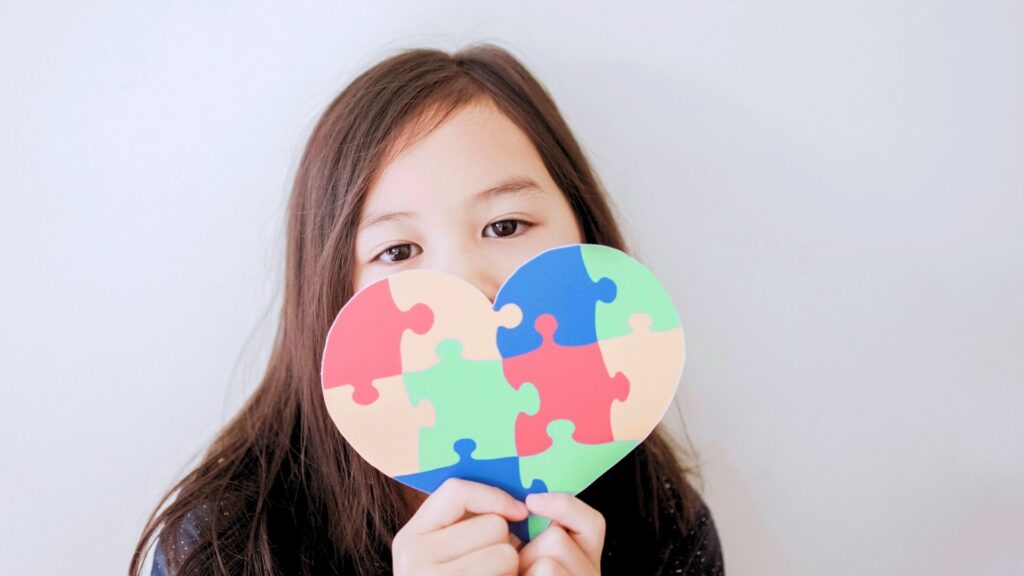
Autism & Mental Health: Insights from the 2026 UVU Conference
March 20, 2026
Connections Between Autism and Mental Health
April is Autism Awareness Month, and it’s a good time to talk about something often overlooked: mental health in individuals with autism. Even when it isn’t obvious, many children on the spectrum are quietly navigating anxiety, depression, and other emotional challenges.
-
- Researchers found that almost 78% of children with autism had at least one mental health condition, and about half had two or more. For comparison, only 14% of children without autism had mental health conditions. Children with autism also had higher rates of mental health challenges than children with intellectual disabilities or other special health care needs.
Even when it isn’t obvious, many individuals on the spectrum are navigating emotional challenges.
Last month, Utah Valley University’s (UVU) Annual Autism Conference centered on the theme ‘Autism and Mental Health.’ It offered families, professionals, and individuals with autism valuable insights, resources, and hope. The information below draws on key takeaways from the conference. Learn more about UVU’s Autism Center here:https://www.uvu.edu/autism/
Common Mental Health Challenges in Autism
Here are some of the most common mental health concerns seen in individuals with autism:
- Anxiety and Depression
These are very common and often occur together. About 40–50% of autistic individuals experience anxiety disorders.
- Autistic Burnout / Fatigue
This includes chronic exhaustion, stress, and reduced ability to function, often from trying to keep up in a world that doesn’t naturally fit their needs.
- Meltdowns and Shutdowns
These are intense, involuntary responses to overwhelm, sensory overload, or emotional distress—not intentional behavior.
- Low Self-Esteem
This can come from social exclusion, bullying, or feeling pressure to hide who they are.
- Emotional Regulation Challenges
Many individuals struggle to manage strong emotions, which can lead to anxiety, frustration, or emotional outbursts.
Why Are Mental Health Challenges More Common?
There are several important reasons. Understanding these can help parents respond with more support and less confusion.
1. Environmental Overload
Many individuals with autism experience sensory sensitivities. Everyday environments can feel overwhelming.
- Loud noises
- Bright lights
- Certain clothing textures
- Busy social environments
For example, Simon, a 14-year-old with autism, attends church with his family. His congregation has a “Sunday best” culture, but Simon is sensitive to many fabrics and can only tolerate elastic waistbands. He wears sweatpants while others wear suits. Thankfully, his community focuses on including him rather than judging his clothing and that support matters.
Dating and Relationships Can Feel Overwhelming Too
Many individuals with autism want relationships, but the dating world can feel confusing and stressful.
At the UVU Conference, Eric Stoker shared common fears individuals on the spectrum may have in the session “How to Manage a Relationship When It’s Hard and Sometimes Scary”. Some of these included:
- Getting heartbroken or dumped
- Being lied to or used
- Arguments and misunderstandings
- One person calling/texting too much
- Being cheated on
- Getting ghosted or ignored
- Lack of communication and broken trust
- People misrepresenting themselves (like lying about age)
- Scammers asking for money
- Breakups
Ways to Support Them:
- Talk through what they’re feeling
- Help break down the “scary” parts
- Be patient
- Practice real-life situations through role play
- Ask questions and show empathy
A helpful resource Eric participated in and recommends is the Utah Parent Center’s TETONS class (Teaching, Empowering & Training on Navigating Sexuality and Healthy Relationships):
https://utahparentcenter.org/tetons/
2. Masking (Camouflaging)
Masking means trying to hide autistic traits to fit into a neurotypical world.
At the conference, Jared Stewart, MD, Ed/BCBA, explained that masking can sometimes be helpful.
Why Individuals Mask:
- To communicate more effectively
- To perform well at school or work
- To get along with others
- To be taken seriously
- To get or keep a job
- To reduce awkwardness
- To impress teachers, employers, or peers
- To “get by” in daily life
Masking can also help socially:
- Making friends
- Attracting a partner
- Fitting in
- Appearing trustworthy or capable
But many individuals mask because:
- They don’t want to stand out
- They want to avoid bullying or embarrassment
- They’ve received the message that their real self isn’t “good enough”
The Cost of Masking
Research (Cassidy et al., 2020; Bradley et al., 2021) shows masking can lead to:
- Exhaustion
- Poor mental and physical health
- Isolation
- Loss of identity
- Delayed diagnosis
- Unrealistic expectations
Masking has also been linked to increased risk of suicidality and feeling like they don’t belong (Cassidy et al., 2020). Sadly, suicide is a leading cause of premature death in autistic adults.
-
- Crisis support is available through the 988 Lifeline:
https://988lifeline.org/ - Learn more about masking in females (who are often underdiagnosed): https://utahparentcenter.org/female-autism-masking/
- Crisis support is available through the 988 Lifeline:
3. Communication Barriers
Many individuals with autism have difficulty expressing emotions or explaining what they need, which can lead to misunderstandings.
For example:
- Mary, a 10-year-old, felt hurt by something her friend Jane said. She tried to talk to Jane at recess, but Jane walked away and didn’t respond. Feeling unheard, Mary had another friend tell Jane they were no longer friends.
- Jane, who is on the spectrum, felt confused, hurt, and suddenly friendless without understanding what went wrong.
Once parents got involved, both girls were able to share their feelings and repair the situation.
What Helps:
- Teaching simple ways to express feelings
- Coaching through social situations
- Helping interpret both sides of a situation
- Creating safe opportunities to practice communication
4. Inequitable (Unequal) Support
Access to appropriate mental health care is still limited for many individuals with autism.
Challenges include:
- Therapists not trained in autism
- Communication differences are making it hard to explain needs
- Environments that don’t meet sensory or movement needs
One parent shared her experience with her 13-year-old nonverbal son in a mental health facility:
- Staff were able to adjust medications, which helped
- However, his aggression increased during his 15-day stay
- Group therapy was not appropriate for his cognitive level
- He was mostly confined to his room and a small hallway space
- His strong need for movement was not met
As a result, he spent much of his time:
- Crying
- Hitting himself
- Hitting staff
- Being placed in restraints daily
Staff even questioned whether the environment was making his mental health worse instead of better.
Final Thoughts for Parents
As parents and loved ones, it’s important to remember:
- Mental health challenges are very common in autism, even if they’re not clearly expressed
- Behaviors are often a form of communication
- Your child may be experiencing more internally than you can see
At the same time, there is real hope. And just as important, you’re not alone in this journey.
Additional Resources
Autism Resource List: UPC
National Institute of Mental Health: Autism Spectrum Disorder
Teen Animated Mental Health Video Series
Get Support and Updates in Your Inbox
Workshops, resources, and updates for Utah families — free, and you can unsubscribe any time.