
Home Blog The Health Benefits of Belonging
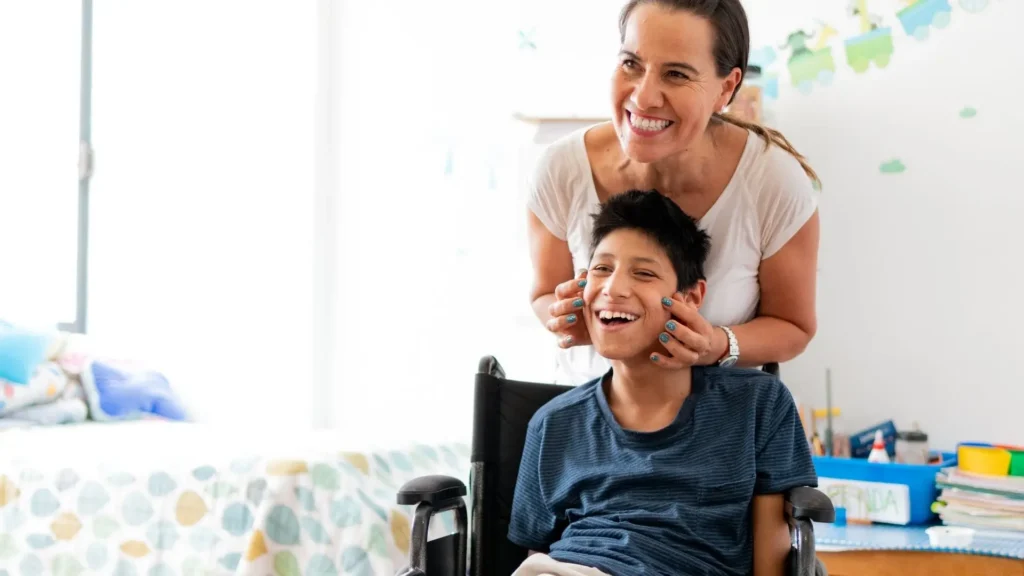
The Health Benefits of Belonging
June 30, 2026
As parents and caregivers, we spend a lot of time helping our children stay healthy. But health isn’t only about doctor visits and nutrition. Feeling accepted, building confidence, and knowing you belong are just as important. Disability Pride Month is an opportunity to celebrate the strengths of people with disabilities and the positive impact inclusion has on health and well-being.
For parents and caregivers, July offers an opportunity to reflect on something that plays an important role in every child’s health and well-being: feeling valued, accepted, and included.
Why July?
Every July, families across the United States celebrate Disability Pride Month—a time to recognize the strengths, contributions, and experiences of people with disabilities. More than an awareness campaign, Disability Pride Month encourages us to celebrate disability as a natural part of human diversity while promoting acceptance, accessibility, and inclusion.
July was chosen because it marks the anniversary of the Americans with Disabilities Act (ADA), signed into law on July 26, 1990. This landmark civil rights law protects people with disabilities from discrimination and helps ensure equal access to schools, workplaces, transportation, healthcare, public spaces, and community services.
The ADA has opened many doors over the past three decades, but creating communities where everyone truly feels welcomed, included, and able to participate is an ongoing effort. Disability Pride Month reminds us that building a more inclusive world is something we all play a part in.
Disability Is Part of the Human Experience
According to the Centers for Disease Control and Prevention (CDC), more than one in four adults in the United States lives with a disability. Disabilities can affect mobility, communication, learning, hearing, vision, mental health, or other aspects of daily life. Some disabilities are visible, while others are not. Some people are born with disabilities, while others acquire them later in life.
Every person’s experience is unique, but one thing remains true: a disability is only one part of who someone is. It does not define their personality, talents, interests, relationships, or future.
People with disabilities are students, employees, artists, athletes, entrepreneurs, volunteers, parents, advocates, and community leaders. Their experiences and perspectives strengthen our schools, workplaces, neighborhoods, and communities.
Why Disability Pride Matters for Health
Health is about much more than medical care. Emotional well-being, confidence, relationships, and a sense of belonging all play an important role in overall health.
Research shows that when children and adults feel accepted and included, they are more likely to develop positive self-esteem, stronger social connections, and greater resilience. For individuals with disabilities, environments that promote acceptance and reduce stigma can also support better mental health and quality of life.
As parents and caregivers, we have the opportunity to help children build a healthy sense of identity by celebrating who they are rather than focusing only on what they struggle with.
Simple ways to support healthy self-esteem include:
- Celebrating strengths, interests, and accomplishments.
- Encouraging independence whenever possible.
- Using respectful, inclusive language.
- Helping children build friendships and participate in community activities.
- Teaching siblings, classmates, and friends about acceptance and inclusion.
These everyday experiences help children develop confidence that can benefit them throughout their lives.
Accessibility Benefits Everyone
Disability Pride Month also reminds us of the importance of accessibility.
Accessibility means creating environments where everyone can participate fully. This may include ramps and elevators, captioned videos, accessible websites, communication supports, sensory-friendly spaces, flexible workplace accommodations, and other tools that reduce barriers.
Accessibility is not about giving special treatment; it is about creating equal opportunities for everyone to learn, work, receive healthcare, and participate in community life.
When communities become more accessible, everyone benefits, including older adults, parents with strollers, individuals recovering from injuries, and people with temporary or permanent disabilities.
Inclusion Starts with Everyday Actions
Inclusion goes beyond physical access. It means creating spaces where people feel welcomed, respected, and heard.
Parents can model inclusion through small but meaningful actions, such as:
- Listening to the perspectives of people with disabilities.
- Encouraging children to include peers with disabilities in play and activities.
- Using respectful language when talking about disability.
- Focusing on abilities, interests, and strengths instead of limitations.
- Being open to learning from people whose experiences may be different from your own.
These simple actions help create communities where everyone has the opportunity to belong.
Celebrate Every Victory
For many families, Disability Pride Month is also a chance to recognize accomplishments that may not always be visible to others.
Parents and caregivers often spend years advocating for services, therapies, healthcare, educational supports, and opportunities. Along the way, they witness incredible growth, whether it’s learning a new communication skill, making a friend, gaining independence, reaching a health goal, or overcoming a personal challenge.
Every milestone matters. Every achievement deserves to be celebrated.
If you’re looking for ways to join the celebration, download the Utah Parent Center’s free “8 Ideas to Celebrate Disability Pride Month“ PDF and explore simple activities you can enjoy as a family or share within your community.
Looking Ahead
Disability Pride Month is more than a celebration of the past; it is a reminder of the future we continue to build together.
As our schools, healthcare systems, workplaces, and communities become more accessible and inclusive, children and adults with disabilities have greater opportunities to thrive, build meaningful relationships, pursue their goals, and live healthy, fulfilling lives.
This July, take time to celebrate the unique strengths of people with disabilities and the progress we’ve made together. By promoting respect, accessibility, and inclusion, we help create healthier communities where everyone has the opportunity to belong, participate, and thrive.
Learn More
Get Support and Updates in Your Inbox
Workshops, resources, and updates for Utah families — free, and you can unsubscribe any time.