
Home Blog Changing the Way We See Disability
Changing the Way We See Disability
June 28, 2026
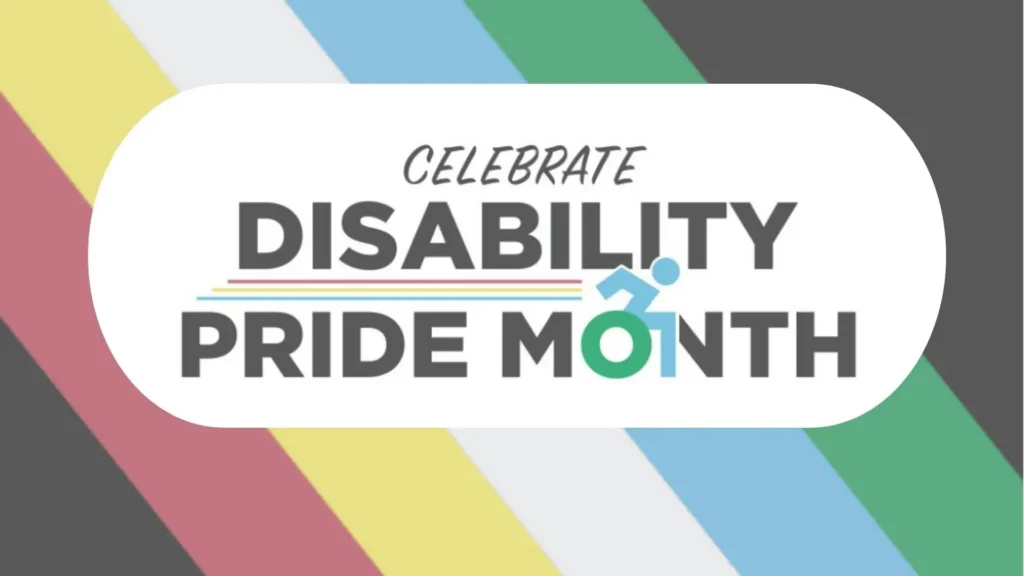
Did you know that July is Disability Pride Month?
Disability Pride Month is a time to celebrate disability identity, honor the passage of the Americans with Disabilities Act (ADA) in 1990, and recognize the many disability advocates who have worked and continue to work to make our communities more inclusive for everyone.
Why does this matter? Because the work is not done.
While we have seen improvements in accessibility across parks, schools, transportation systems, workplaces, and public spaces, there is still more to be done to ensure that people with disabilities feel safe, included, respected, and valued in their communities.
Disability can affect anyone, regardless of race, age, gender, religion, or socioeconomic status. Some individuals are born with disabilities, while others acquire disabilities later in life. Some disabilities are temporary, while others are lifelong. Disability takes many forms and inclusion should too.
When communities create spaces that work for everyone, they expand opportunities for education, employment, recreation, and meaningful participation in community life.
Ways Families Can Support Disability Inclusion
- Learn About Disability Rights History
Not very long ago, the world looked very different for people with disabilities. Many public spaces, schools, and services were inaccessible.
Thanks to disability advocates such as Judy Heumann and countless others, awareness grew about the barriers people with disabilities faced every day. Their advocacy helped create many of the protections and accommodations we benefit from today.
Learning about the history of disability rights can help families better understand why accessibility and inclusion matter and why continued advocacy is still needed.
- Find Support Within Your Community
Disability Pride includes people with a wide range of disabilities, some visible and some not visible.
Take time to explore the services and resources available in your community. Learning what supports exist can help families access needed services while also identifying gaps that still need attention.
At the Utah Parent Center, Utah Family Voices helps families connect with services, support groups, independent living resources, healthcare information, and insurance guidance. Becoming familiar with available resources can help families feel more empowered as they navigate systems and advocate for their loved ones.
- Encourage Others to Learn More
The Utah Parent Center’s Parent Training and Information (PTI) Project provides families with information about special education, disability services, and advocacy skills.
The more people understand accommodations, disability services, and inclusive practices, the more likely they are to recognize barriers and advocate for change when accessibility is missing. Sharing resources and information can help build stronger, more inclusive communities for everyone.
- Advocate for Accessibility
Features such as curb cuts, closed captioning, automatic doors, and wheelchair ramps are common today, but they did not happen by accident.
These changes exist because individuals and families advocated for greater accessibility and inclusion.
If you or a loved one would benefit from a more accessible environment, chances are others would too. Speaking up about barriers can lead to meaningful improvements that benefit entire communities.
Advocacy can happen in many ways, from talking with local organizations and schools to contacting elected officials and participating in community discussions about accessibility.
Why Disability Visibility Matters
According to the Centers for Disease Control and Prevention (CDC), approximately 1 in 4 adults in the United States lives with a disability. Disabilities may affect mobility, cognition, vision, hearing, self-care, or independent living.
Many disabilities are not immediately visible. Creating environments where people feel safe discussing support needs and accessibility barriers is essential if we want to continue moving disability rights forward.
Research discussed in Psychology Today highlights that some individuals choose not to disclose their disabilities because they fear judgment or worry that others may perceive their needs as less significant than those of someone else.
However, when people feel comfortable sharing their experiences, communities gain a better understanding of the diverse needs that exist. Greater visibility leads to greater awareness, and awareness often leads to positive change.
Whether we are advocating for ourselves, our children, or other family members, our voices help create more inclusive communities for future generations.
Disability Is Not a Dirty Word
Because we live in a society that often prioritizes able-bodied experiences, many people with disabilities may be made to feel embarrassed, incapable, or “less than,” even when that is not someone’s intention.
Conversations about disability can sometimes feel uncomfortable, but disability is not a dirty word.
Disability is simply one aspect of human diversity. Every person deserves the opportunity to embrace who they are without shame, guilt, or fear of judgment.
By celebrating our differences and recognizing the unique strengths each person brings, we create communities where everyone belongs.
The Story Behind the Disability Pride Flag
 In 2019, disability advocate Ann Magill, who has cerebral palsy, created a Disability Pride flag to represent the disability community. The original design featured bright zigzag stripes on a black background, symbolizing the ways people with disabilities navigate barriers in everyday life.
Following feedback from members of the disability community, the flag was redesigned in 2021 to improve accessibility and representation. The current Disability Pride flag includes several meaningful elements:
Dark Background
Represents mourning for disabled individuals who have experienced ableism, discrimination, or disability-related violence.
Diagonal Band
Represents light cutting through darkness and barriers.
Colored Stripes
Green – Sensory disabilities, including blindness and deafness
Blue – Mental health disabilities
White – Non-visible disabilities and undiagnosed conditions
Gold – Neurodivergence
Red – Physical disabilities
Multi-Colored Design
Incorporates the six standard international flag colors to represent the diversity of the global disability community.
Muted Color Tones
Designed to be more visually accessible, particularly for online viewing.
Building a Future of Belonging
Although the term “Disability Pride” is relatively new, the ideas behind it are not. Disability Pride encourages individuals to embrace their identities, celebrate their strengths, and advocate for a world that recognizes the value of every person.
When people share their experiences and perspectives, communities gain a clearer understanding of where inclusion is thriving and where barriers still exist. These conversations can inspire changes, both large and small, that help create spaces where everyone feels safe, included, respected, and valued.
This Disability Pride Month, consider taking time to learn, listen, advocate, and celebrate the contributions of people with disabilities. Together, we can continue building communities where every person has the opportunity to belong.
Get Support and Updates in Your Inbox
Workshops, resources, and updates for Utah families — free, and you can unsubscribe any time.