
Home Blog Because Belonging Should Include Everyone This Summer
Because Belonging Should Include Everyone This Summer
June 28, 2026
Summer is a great time for individuals with disabilities to explore interests, make friends, and try new experiences. Whether it’s a recreation program, art class, sports team, library activity, camp, or community event, these opportunities can help your loved one build skills and confidence while having fun.
For families of individuals with disabilities, finding activities that feel welcoming and supportive can sometimes take a little extra planning. The good news is that many programs want to include individuals with disabilities and may simply need information about what helps them to participate successfully.
Inclusion Starts with a Conversation
Parents and caregivers have important knowledge about their loved one’s needs and strengths. One of the most helpful things families can do is talk with program staff before an activity begins.
Sharing information about your loved one’s strengths, interests, communication style, sensory needs, or accommodations can help staff understand how to support participation. Often, small adjustments can make a big difference.
Some examples include:
- Providing a visual schedule
- Allowing extra transition time
- Offering a quiet space for breaks
- Giving directions in multiple ways
- Allowing flexible participation
These supports can help your loved one feel more comfortable and successful while participating alongside their peers.
Looking Beyond the Activity
Summer activities are about more than staying busy. They can help individuals with disabilities:
- Build confidence
- Practice communication skills
- Develop independence
- Learn problem-solving skills
- Explore new interests
- Form friendships
- Feel connected to their community
Sometimes the biggest benefit isn’t the activity itself. It’s the feeling of belonging that comes from being included.
Building Community Through Inclusion
Summer activities can also help communities become more welcoming and inclusive. When children and teens with disabilities participate in local programs, everyone benefits.
- Peers learn about acceptance and inclusion
- Program staff gain experience supporting diverse participants
Communities become stronger when all members have opportunities to belong and contribute
Inclusion is not about expecting children to fit perfectly into existing programs. It is about finding ways for programs and participants to work together so everyone can be involved.
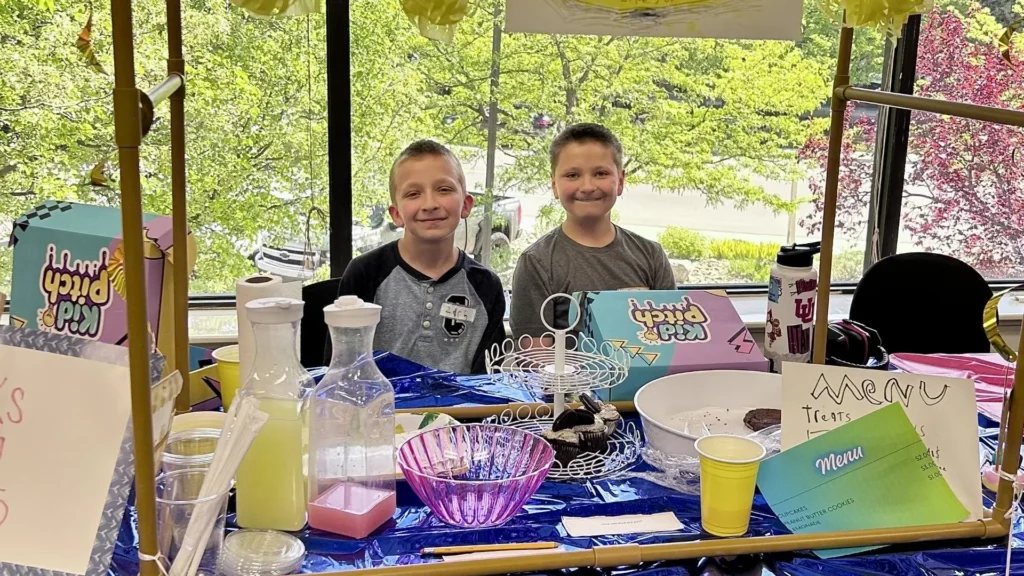
At the Utah Parent Center, we’ve also seen this in action through different community-based child and youth programs. We recently had the opportunity to host a KidPitch inclusive camp. While the focus was on business and creativity to help young kids learn life skills and build community through entrepreneurship, the experience highlighted several important lessons about inclusion that apply to all summer programs. In one experience during this inclusive camp, children were given a structured environment with room for flexibility in how they participated. Some of the kids eagerly joined activities from the start, while others took time to observe before getting involved. Over time, many of those quieter children became more engaged, participated in group work, and built connections with their peers.
One of the most meaningful outcomes was seeing friendships and confidence grow naturally when children were provided with both structure and opportunities for choice.
Experiences like this highlight an important point: when programs are flexible and welcoming, children don’t just participate, they connect, contribute, and grow.
Helping Your Loved One Succeed
When considering summer activities, don’t be afraid to ask questions.
You might ask:
- What accommodations are available?
- How do staff support different learning styles and abilities?
- Are there opportunities for breaks if needed?
- Can I share information about my child’s support needs before the program starts?
Most organizations appreciate families who help them understand what works best for a child.
Remember, participation doesn’t have to look the same for everyone. Success may mean joining every activity, participating for part of the time, making a new friend, or simply feeling comfortable enough to come back the next day.
Exploring Summer Opportunities
Families may find inclusive opportunities through:
- Local recreation departments
- Community centers
- Adaptive sports programs
- Art and music classes
- Library programs
- Youth leadership programs
- Volunteer opportunities
- Camps and summer enrichment programs
- Community events and festivals
Some families may also enjoy exploring destinations that prioritize accessibility and sensory inclusion, such as sensory-friendly attractions, accessible parks, and inclusive community events.
A Reminder for Families
You know your child best. If an activity sounds interesting, don’t hesitate to ask questions about accommodations, accessibility, and support options. Many programs are willing to work with families to create successful experiences when they understand a child’s needs.
Summer does not have to be about doing everything. Sometimes the most meaningful experiences come from trying a new activity, making one new friend, or discovering one new interest.
Every child deserves opportunities to learn, connect, contribute, and belong. Inclusive summer activities can help make those opportunities possible, creating lasting memories while building skills, confidence, and community along the way.
Additional Resources
Get Support and Updates in Your Inbox
Workshops, resources, and updates for Utah families — free, and you can unsubscribe any time.