
Home Blog Your Child Has Type 1 Diabetes. What About School?
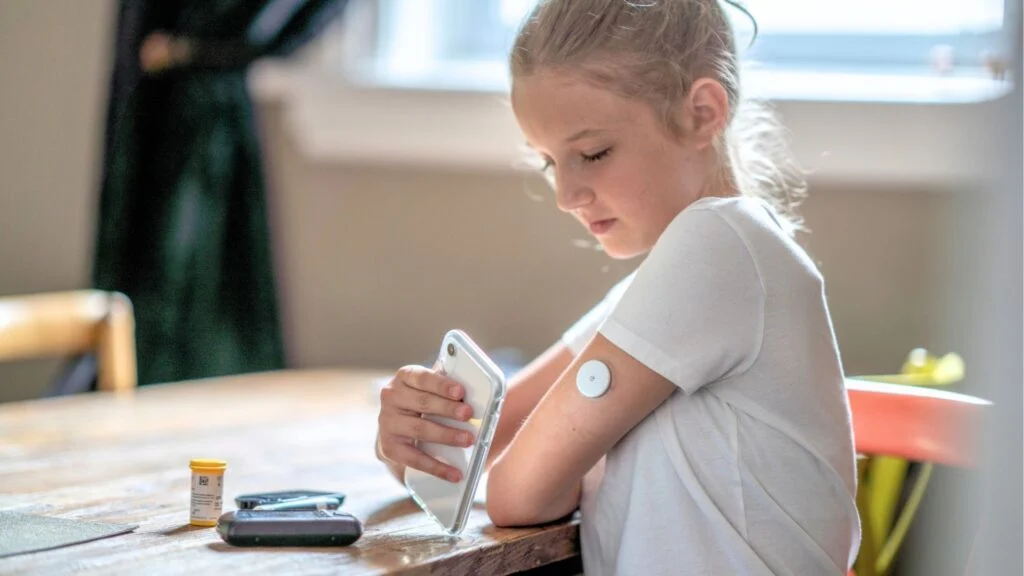
Your Child Has Type 1 Diabetes. What About School?
October 27, 2026
It’s Diabetes Awareness Month! If your child has Type 1 Diabetes, what does the school need to know? Learn how DMMPs, school health plans, and 504 accommodations work together to support your child at school.
Finding out that your child has Type 1 Diabetes (T1D) can change everything for your family. Learning to count carbohydrates, give insulin, monitor blood sugar, and understand continuous glucose monitor (CGM) readings takes time.
Then comes another big step: sending your child to school.
You may wonder: Who will know what to do if my child’s blood sugar drops? Can my child check their CGM in class? What happens if they need insulin? Can they participate in field trips, sports, and other activities?
It is normal to have questions. The good news is that you do not have to figure this out alone. Families can work with their child’s health care provider and school team to create a plan that helps their child stay safe, participate in school, and focus on learning.
Start With a Diabetes Medical Management Plan
One of the first things to discuss with your child’s diabetes care team is a Diabetes Medical Management Plan (DMMP).
A DMMP is completed by your child’s health care provider. It gives the school important medical information and instructions for managing your child’s diabetes during the school day.
Depending on your child’s needs, the DMMP may include:
- Blood glucose or CGM monitoring instructions
- Insulin-to-carbohydrate ratios
- Insulin correction instructions
- Instructions for treating low blood sugar
- Instructions for treating high blood sugar
- When to check for ketones
- Information about meals, snacks, and physical activity
- Instructions for emergency treatment, such as glucagon
Your child’s health care provider should update the DMMP when your child’s medical needs or treatment instructions change.
What happens to the Diabetes Medical Management Plans at school?
This is where things can get confusing. A DMMP is not the same as an IEP, 504 Plan, or school health plan. Each serves a different purpose.
Think of the process this way:
- DMMP: Your child’s health care provider fills out the diabetes medical management plan that gives the school medical instructions for managing diabetes.
- IHP or EAP: The school nurse uses the medical information to develop an Individualized Health Plan (IHP) and/or Emergency Action Plan (EAP) when appropriate. These plans explain how your child’s health needs will be managed at school and what school staff need to do.
- 504 Plan: When a student qualifies for Section 504 protections, the school and family can develop a 504 Plan describing accommodations the student needs to have equal access to education and school activities.
- IEP: If your child receives special education services, diabetes-related needs may also be addressed through the IEP when they affect the child’s educational needs.
These plans can work together. One does not replace the others.
What Is a 504 Plan?
A Section 504 Plan is different from a DMMP.
Section 504 of the Rehabilitation Act is a federal civil rights law that protects qualified students with disabilities from discrimination. A 504 Plan can describe accommodations that help a student have equal access to school.
For a student with T1D, accommodations may address blood sugar monitoring, access to food and water, bathroom breaks, testing, attendance, field trips, and extracurricular activities.
Every child is different, so accommodations should be based on the student’s individual needs.
Here are some areas families may want to discuss with the school.
1. Access to Diabetes Care and Technology
Your child may need to check their blood sugar, respond to a CGM alert, eat or drink something to treat a low blood sugar level, or take insulin during the school day.
Talk with the school about how your child will be able to do these things safely and without unnecessary delays.
You may want to discuss:
- Where your child can check their blood sugar or CGM
- Whether your child can carry their CGM receiver, phone, or other diabetes technology
- Where fast-acting glucose will be kept
- Who can help your child if assistance is needed
- What happens if a CGM alarm sounds during class
- How insulin will be administered
- Whether your child can manage some or all of their diabetes care independently
Younger children may need supplies available in the classroom or other locations where they spend time. Older students may be able to carry their own supplies, depending on their individual needs and school plan.
2. Bathroom and Water Breaks
High blood sugar can increase thirst and cause more frequent urination.
Your child may need:
- Easy access to water
- Permission to use the restroom when needed
- A water bottle during the school day
- Flexibility when diabetes affects bathroom or water needs
The school can address these needs through the appropriate plan or accommodations.
3. Tests, Assignments, and Attendance
Diabetes can sometimes affect how a student feels and functions at school. Low or high blood sugar may make it difficult to concentrate, complete an assignment, or take a test.
Talk with the school about what should happen if your child’s blood sugar is outside their recommended range during a test or other important activity.
Possible accommodations may include:
- Pausing or rescheduling a test when diabetes affects your child’s ability to participate
- Additional time to complete work
- Opportunities to make up missed work
- Flexibility for diabetes-related appointments or health needs
- Making up work after diabetes-related absences
The goal is to make sure diabetes does not unnecessarily prevent your child from participating in learning.
4. Field Trips, Sports, and Other Activities
Having Type 1 Diabetes should not automatically prevent your child from participating in school activities.
Talk with the school ahead of time about:
- Field trips
- Sports
- Physical education
- After-school activities
- Overnight trips
- School dances and other special events
Make sure the adults responsible for your child know what to do if a diabetes-related issue occurs.
Parents should not automatically be expected to attend every school activity simply because their child has T1D. Instead, work with the school to determine how your child’s health needs can be safely supported.
Understanding Utah’s School Health Process
Utah has specific guidance for managing student health needs at school.
For example, Utah allows trained school employees to assist with certain health-care tasks, including diabetes care, when the appropriate requirements are met. A school nurse plays an important role in determining how health care can safely be provided and delegated at school.
Emergency diabetes care may also include training and access to glucagon when it is part of the student’s medical plan.
The important thing to remember is that your child’s health care provider, school nurse, school team, and family each have a role.
A good question to ask the school is:
“What information do you need from my child’s diabetes provider, and what school health plan will be created from that information?”
This can help you understand what happens after you provide the DMMP.
4 Practical Tips for Families
1. Start Early
Don’t wait until the first week of school to begin planning.
Contact the school before the school year begins. This gives the school time to review your child’s medical information, develop appropriate health plans, identify staff who may need training, and make sure teachers understand your child’s needs.
If your child’s diabetes care changes during the year, let the school know and ask whether the DMMP or school plans need to be updated.
2. Keep Diabetes Supplies Ready
Work with the school to decide where your child’s diabetes supplies should be kept.
Depending on your child’s needs, supplies may include:
- Fast-acting glucose
- CGM supplies
- Blood glucose meter and testing supplies
- Insulin and necessary administration supplies
- Backup diabetes equipment
- Emergency glucagon
Make sure the school knows where supplies are located and check expiration dates regularly.
3. Help Teachers Understand Diabetes
You don’t have to share every detail about your child’s medical condition with the entire school. However, adults working directly with your child should know what they need to know to keep your child safe.
For younger children, age-appropriate information about diabetes can help classmates understand CGMs, insulin pumps, and other equipment. It can also help reduce misunderstandings and teasing.
For older students, families may want to talk with teachers about handling CGM alarms or diabetes care in a way that protects the student’s privacy and dignity.
Here is a great link and guide to consider sharing with your child’s teacher so your child’s classmates can learn about T1D.
4. Know Where to Get Help
You do not have to become an expert in diabetes or school law on your own.
The American Diabetes Association Safe at School resources provide information about diabetes and school rights, including Utah-specific information.
Breakthrough T1D also provides information and resources for families creating a 504 Plan. Their Back-to-School T1D Checklist can help families prepare for the school year.
You Know Your Child Best
With planning, communication, and the right supports, your child can manage their diabetes at school while also doing what every child should be able to do—learn, participate, make friends, and be a kid.
Additional Resources
American Diabetes Association: Helping the Student with Diabetes Succeed: A GUIDE FOR SCHOOL PERSONNEL
Living with Diabetes: Spencer’s Story of Self-Advocacy
Breakthrough T1D: 504 Plans and your child’s rights at school
Equal Rights for All Students: Guide to Section 504
Get Support and Updates in Your Inbox
Workshops, resources, and updates for Utah families — free, and you can unsubscribe any time.