
Home Blog When Your Child Is Being Bullied: What Parents Can Do
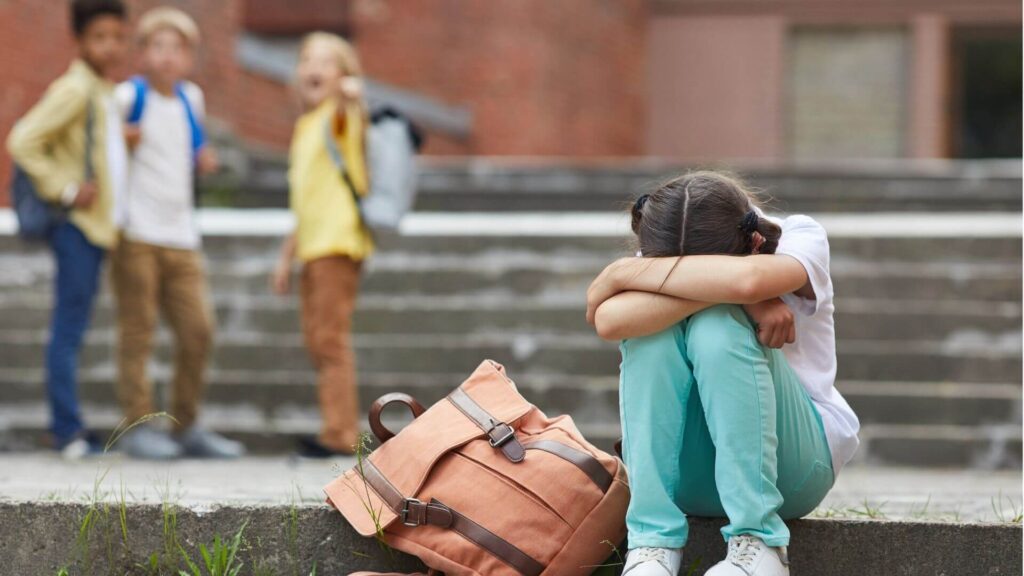
When Your Child Is Being Bullied: What Parents Can Do
September 17, 2026
For families of children with disabilities, bullying can create additional challenges. It can affect a child’s health, confidence, friendships, and ability to participate and learn at school.
October is National Bullying Prevention Month, a time to raise awareness about bullying and remind children, families, schools, and communities that everyone has a role in creating safe and supportive environments.
If your child is being bullied, you do not have to figure it out alone. This article offers information to help you listen to your child, recognize signs of concern, and work with the school to provide support.
Start by Listening
When your child tells you something happened, give them time to tell their story.
Your child may need extra time to explain what happened. Communication, anxiety, memory, language, or processing differences can make it harder to describe an upsetting event. Your child may also worry that telling an adult will make the bullying worse.
Let your child know you are glad they told you.
Ask calm, clear questions:
- What happened?
- Who was involved?
- Where did it happen?
- When did it happen?
- Has this happened before?
- Was anyone else there?
- Did an adult see or hear what happened?
- Did you tell anyone?
- What happened afterward?
- What would help you feel safer?
Children do not always know when something is bullying. A child may think someone is “just joking.” They may think only hitting or other physical actions count as bullying. They may even think someone is a friend when that person keeps humiliating, excluding, threatening, or controlling them.
The Utah Parent Center has resources to help families recognize bullying, talk with their child, understand cyberbullying, keep records, build self-advocacy skills, and work with schools.
The goal is not to question your child over and over. The goal is to understand what happened and let your child know they have adults on their side.
Write Down What Is Happening
One of the most helpful things you can do is keep good records.
Write down dates, locations, what your child told you, who was involved, and who saw what happened. Also record any injuries or damaged belongings and who you contacted at the school. Save emails and other written communication.
For cyberbullying, save screenshots, messages, usernames, dates, and other information before blocking or deleting content, when it is safe to do so.
Good records are especially helpful when bullying happens more than once. One event may seem small by itself. A written record can show when several events are part of a larger pattern.
Records can also make it easier to talk with the school. Instead of saying, “This keeps happening,” you can explain what happened, when it happened, how often it has happened, and how it is affecting your child.
The Utah Parent Center encourages parents to keep communication brief, factual, and focused on the student’s needs. This is especially helpful when you need to raise a concern with the school.
Watch for Changes in Your Child
Bullying can affect your child’s physical and emotional health. Sometimes children may not tell you what is happening, but you may notice changes in how they feel or act.
Watch for signs such as:
- Headaches or stomachaches
- Trouble sleeping
- Changes in appetite
- Increased worry, fear, or irritability
- Pulling away from family or friends
- Losing interest in activities they enjoy
- Trouble concentrating
- Not wanting to go to school or certain activities
- Changes in mood or behavior
These changes can have many causes, but they are worth paying attention to. Ask your child what they are experiencing and listen without judgment.
If you are concerned about ongoing changes in your child’s health or behavior, talk with their doctor or another health care provider. You can also reach out to the school and your child’s support team for help.
Work With the School
When possible, work with the school as a partner to solve the problem.
Start with the person who is closest to the situation. This may be your child’s teacher, special education teacher, case manager, counselor, or another trusted staff member. Explain what your child has told you. Ask what the school has noticed.
Then ask an important question:
What can we do together to help my child feel safe and be able to learn?
You may also want to ask:
- What is the school’s bullying policy?
- How should I report bullying?
- Who will follow up with my child?
- Are there places or times when more adult supervision is needed?
- How will the school check whether the bullying has stopped?
- When will we check in with each other again?
- Who is a safe adult my child can go to when something happens?
Utah schools and districts have policies for responding to bullying. The Utah State Board of Education’s Bullying Prevention resources provide information about bullying policies and the role of local schools and districts.
Most bullying investigations and discipline decisions happen at the local school or district level. If you still have concerns, ask your school or district about its complaint or grievance process. A grievance process is the formal way to report a concern and ask the school or district to address it.
After a conversation or meeting, consider sending a short email that explains what was discussed and what everyone agreed to do next. This creates a written record and can prevent misunderstandings.
If talking with your child’s school feels overwhelming, the Utah Parent Center’s Parents as Partners guidebook can help. It explains ways to work with educators, understand parent rights, take part in education decisions, handle disagreements, and communicate with your child’s school team.
When Your Child Has an IEP or Section 504 Plan
For a student with a disability, bullying may be more than a school discipline problem. It may also affect the student’s right to an appropriate education.
Students with disabilities are at increased risk of bullying, according to StopBullying.gov. Federal disability laws may also protect your child when bullying makes it harder for them to learn or receive needed services.
An Individualized Education Program (IEP) is a written plan for a student who receives special education services. A Section 504 plan provides accommodations and other supports so a student with a disability can have equal access to school.
If your child has an IEP or Section 504 plan, think about how the bullying is affecting school. Ask yourself:
- Is my child avoiding school?
- Are they missing certain classes?
- Are they afraid to ride the bus, eat in the cafeteria, use the bathroom, go to recess, or take part in activities?
- Has their anxiety or behavior changed?
- Are they having trouble paying attention or finishing schoolwork?
- Are they avoiding a certain place or person?
- Have their grades or school performance changed?
These details matter.
The U.S. Department of Education’s Office for Civil Rights (OCR) helps protect students from disability discrimination. OCR has explained that schools may have responsibilities under federal disability laws when a student with a disability is bullied. A school may need to address the effects of bullying when it keeps a student from learning or receiving the services they need. The Department of Education’s parent fact sheet explains these responsibilities in more detail.
You can ask the IEP or Section 504 team to meet if bullying is affecting your child’s education. The team can talk about whether your child needs more support. Depending on your child’s needs, supports might include more adult supervision, counseling, communication supports, self-advocacy instruction, accommodations, or positive behavior supports.
The plan should focus on your child’s individual needs. The answer should not simply be to remove the child who was bullied from classes, activities, or other opportunities available to their peers.
Disability-Based Harassment May Be a Civil Rights Concern
Not every disagreement between students is bullying. And not every bullying incident is related to disability. But families should know that bullying because of a student’s disability can sometimes become a civil rights issue.
Disability harassment is harmful behavior directed at a student because of their disability. According to StopBullying.gov, federal civil rights laws may apply when disability-based bullying becomes serious enough to create a hostile environment at school. A hostile environment means the behavior is serious or happens often enough that it limits a student’s ability to take part in or benefit from school.
Two important federal laws are Section 504 of the Rehabilitation Act and Title II of the Americans with Disabilities Act (ADA). These laws protect people with disabilities from discrimination.
This is why it is important to write down more than just what happened. Record what was said, whether your child’s disability was mentioned, how often the behavior happened, how it affected your child, and what the school knew about the situation.
You do not need to be a legal expert before asking the school for help. Start with what you know about your child and what they need to feel safe and learn.
Include Your Child in the Solution
It is natural to want to fix things quickly when your child is hurting. When it makes sense for your child’s age and needs, include them in conversations about what might help.
You can ask:
- What would make you feel safer?
- Who at school do you trust?
- Where could you go if this happens again?
- What would you like your teacher to know?
- What are you worried might happen if we report this?
Listening to your child can help adults avoid a solution that accidentally makes things harder.
For example, a student may want the bullying to stop but be afraid of being singled out in front of classmates. Another student may need a clear plan for whom to ask for help. Simply telling that student to “find an adult” may be too vague.
Self-advocacy means learning how to speak up about your needs and ask for help. It does not mean your child is responsible for stopping the bullying. Adults are responsible for creating safe environments and responding to bullying. Self-advocacy simply gives your child tools to explain a problem, say what they need, and know where to go for help.
What If Your Child Is Bullying Someone Else?
Learning that your child may have bullied another student can be hard, too.
Try not to label your child by the behavior. Take the concern seriously. Gather information and try to understand what may be causing the behavior.
Some children need direct teaching about boundaries, communication, friendship, conflict, disability, or how their actions affect other people. Some may need help managing strong emotions or learning social skills. Others may be copying behavior they have seen or may not know how to handle conflict in a healthy way.
Accountability matters, but teaching matters too.
Ask what happened. Listen to the school’s information. Help your child understand how their behavior affected someone else and what needs to change. Work with the school to decide what support and expectations your child needs.
The Utah Parent Center has more information for families asking, “What if your child is the bully?”
When the Problem Is Not Resolved
Sometimes a family talks with a teacher, counselor, or administrator and the bullying continues.
Keep going.
Put your concerns in writing. Ask what the school has done. Request a meeting and bring your records. If your child has an IEP or Section 504 plan, you can ask the team to meet when bullying is affecting your child’s education.
Keep the focus on your child:
What does my child need to be safe, take part in school, and learn?
If you are unsure what to do next, you do not have to figure it out alone.
You can search your child’s school to find a Parent Consultant who can help. Utah Parent Center support is free for families.
You can also use the Utah Parent Center’s bullying resources and Parents as Partners guide to prepare for conversations with your child’s school.
Bullying can make a child feel powerless. A calm adult who listens, believes them, keeps good records, and works with the school can make a real difference.
Your child deserves to feel safe, included, and ready to learn.
Learn More About Bullying Prevention
-
- Steps to Take if Your Child is Bullied at School
- What if your child is the Bully?
- Bullying workshops and video resources
- PACER: National Bullying Prevention Center
- Utah Code on Bullying and Hazing at School
- Utah School Board of Education: Bullying Statistics
- Stopbullying.gov
- Safe Utah App
- USBE: Safe & Healthy Schools
Get Support and Updates in Your Inbox
Workshops, resources, and updates for Utah families — free, and you can unsubscribe any time.