
Home Blog Understanding Dyslexia and Supporting Reading Success
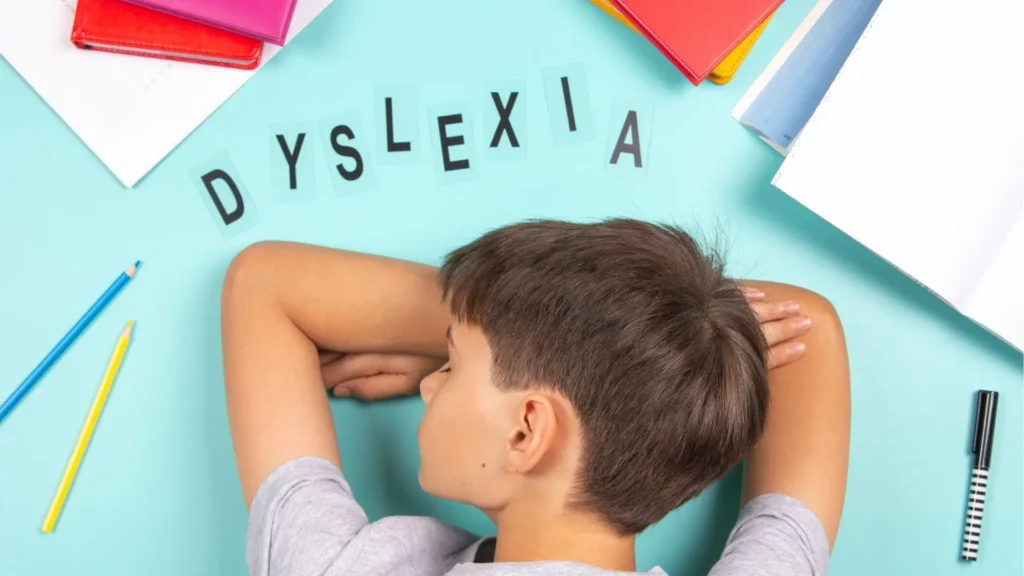
Understanding Dyslexia and Supporting Reading Success
September 24, 2026
Dyslexia Awareness Month is an opportunity to build understanding and recognize that students with dyslexia can learn, grow, and thrive when they receive the right support at the right time.
For families, educators, and communities, awareness starts with understanding that reading challenges are not a measure of a child’s intelligence, effort, or potential.
Dyslexia is one of the conditions that can fall under a Specific Learning Disability (SLD) in Utah’s special education rules. Learning disabilities can affect skills such as reading, writing, listening, speaking, reasoning, and math. Every student is different. One child may have difficulty mainly with reading and spelling, while another may experience challenges in several areas.
Understanding Dyslexia
A learning disability is related to differences in how a person’s brain processes information. It is not caused by laziness, a lack of motivation, or low intelligence.
Our parent consultants often emphasize to parents and professionals that children with learning disabilities often have average or above-average intelligence. They may simply process and learn information differently.
This distinction is important. A student who reads slowly, avoids reading aloud, has difficulty spelling, or needs extra time to complete written work can sometimes be misunderstood. Without the right support, these challenges can affect not only schoolwork, but also a child’s confidence and sense of belonging at school.
Dyslexia Awareness Month invites families and educators to look beyond assumptions. A child’s struggle with reading does not define their abilities, interests, creativity, or future.
Learning disabilities are lifelong, but students can learn and be successful. With effective instruction, support, and strategies that work for them, students with dyslexia can build their skills and reach their goals.
Why Early Support Matters
High-quality reading instruction benefits every student, and it can be especially important for children with dyslexia and other language-based learning challenges.
The Utah State Board of Education’s updated Dyslexia Handbook: Guidance for Effective Literacy Instruction for General Education and Special Education provides research-based information about literacy instruction, intervention, identification, and assessment.
The handbook is also a resource for families. It includes research-based information for parents, educators, and school staff about effective reading instruction and interventions, identifying and assessing reading difficulties, and resources available in both general and special education settings.
Early support can make a meaningful difference. When reading difficulties are recognized and addressed early, students have more opportunities to build important reading skills, participate in classroom learning, and experience success at school.
What Can Families Do?
Families do not have to wait for a diagnosis before asking questions or seeking help. If your child is struggling with reading or learning, start by sharing what you are noticing with their teacher. You might ask:
- Does my child have trouble sounding out words or remembering spelling patterns?
- Does my child read slowly or have difficulty reading fluently?
- After working hard to read something, does my child have trouble understanding it?
- What supports are available to help my child?
If your child continues to struggle, you can ask the school about additional support or an evaluation. You may hear the term Child Find during this process. Child Find is part of IDEA and requires schools to identify and evaluate children who may have disabilities and need special education services.
You do not need to know the term “Child Find” to ask for help. Simply sharing your concerns with the school is a good place to start.
Families and educators each bring important information to the conversation.
Parents know their child’s strengths, interests, and challenges, while educators understand classroom instruction and available school supports. Together, they can work to find the supports that best meet the student’s needs.
Depending on the student, support may include general education interventions, special education services, Section 504 accommodations, or a combination of supports. Accommodations are not about lowering expectations. They help students access learning and demonstrate what they know. For example, a student with reading difficulties may receive support that allows them to show what they know without making reading speed the focus of an assessment in a subject such as science or social studies.
Resources Can Help Break Down Barriers
Awareness also means knowing that reading and learning can happen in different ways.
The Utah Parent Center shares several resources that may help students who have difficulty accessing traditional print materials, including the Utah State Library for the Blind and Disabled, Bookshare, and Learning Ally.
The Utah State Library for the Blind and Disabled provides eligible readers with accessible materials, including braille, large-print, and audio digital books. The service is free for people who cannot read regular print because of a visual, physical, or reading disability.
Bookshare offers an accessible ebook library that allows people with reading barriers to customize how they read.
Learning Ally provides digitally recorded textbooks and literature for people who cannot read standard print because of blindness, visual impairment, dyslexia, or other learning disabilities.
Families can also check with their local library to see what audiobooks, ebooks, and digital resources are available. Some digital materials can be used with screen readers and other accessibility tools.
These resources remind us of an important point: access to information does not have to look the same for every student.
Audiobooks, accessible digital text, and other formats can help students stay connected to grade-level content, build knowledge, and continue enjoying books and learning.
For families looking for books they can purchase, you can also find options such as dyslexia-friendly font books on Amazon.
Make Reading Fun
Reading practice does not always have to feel like schoolwork. Families can also use free online resources to make reading practice more engaging.
A little encouragement and a positive reading experience can go a long way.
Families can also introduce books about dyslexia and learning disabilities at home. Reading these books together can be a simple way to help children understand that learning differently is nothing to be ashamed of.
Helpful book resources:
Every Child Has Strengths
Every child deserves to be seen for more than the challenges they face.
By increasing our understanding of dyslexia, responding to reading difficulties early, and working together, families and schools can help students build reading skills and confidence while recognizing the strengths they bring to the classroom and the world around them.
The Utah Parent Center is here to help families understand educational options, find resources, and navigate the special education process as they work toward inclusive and productive lives for children and young adults with disabilities and special health care needs.
Additional Resources:
Get Support and Updates in Your Inbox
Workshops, resources, and updates for Utah families — free, and you can unsubscribe any time.